Readers searching for a professional to hack partner’s email may actually be looking for answers about account access, suspicious activity, relationship concerns, or digital security. Rather than explaining how to break into an account, the article explains what legitimate cybersecurity professionals can do, how authorized investigations work, how to hack partner’s email account as you own, and how to attack for personal information.
Get Best Professional Help
To get the best remote phone monitoring service, Hire an expert professional hacker or investigator.
Questions such as “How can you hack partner’s email with the help of professionals?” often appear when someone is worried about a relationship, suspects that something is being hidden, or has concerns about online activity. However, accessing another person’s to hack partner’s email without their permission is not the same as legitimate cybersecurity work. Professional security specialists can technically provide unauthorized access to private accounts.
This distinction is important because to hack partner’s email accounts can contain extremely private information, including personal conversations, financial documents, photographs, authentication codes, and information belonging to other people. Attempting to bypass someone’s password or security controls can create serious legal and privacy problems.
If your real goal is to understand whether an account has been compromised, a professional can help without invading another person’s privacy.
Can Professional Legally Hack Partner’s Email?
The answer depends primarily on authorization and applicable law. Cybersecurity professionals routinely perform penetration testing, security assessments, incident response, and digital investigations. However, legitimate professionals normally need clear authorization before accessing an account, system, device, or network.
For example, a company can hire a security consultant to test its corporate email environment. A person can hire an expert to recover access to their own account. A lawyer may also engage a qualified digital forensic specialist when evidence needs to be collected for a legitimate legal proceeding. Those situations are fundamentally different from secretly obtaining another person’s password or bypassing the security of a private hack partner’s email account.
A professional who claims they can secretly break to hack partner’s email should therefore be treated with caution. Such services can expose customers to scams, stolen information, malware, extortion, and legal problems.
Why Unauthorized Email Access is Risky
Email accounts often contain highly sensitive information, including private conversations, photographs, financial documents, password-reset links, employment information, and personal records.
Unauthorized access can therefore create consequences far beyond simply reading someone’s messages. Depending on the jurisdiction, unauthorized access may potentially involve computer misuse, privacy, interception, identity-related offenses, or unauthorized use of credentials. Laws differ considerably by country, so anyone dealing with a real dispute should obtain advice from a qualified local professional.
There is also a practical security problem. Websites advertising “instant email hacking” or “hack partner’s email” frequently ask customers to provide personal information or advance payments. Some may simply be scams. Others could attempt to infect a customer’s device or steal the customer’s own credentials. Searching for a legal solution is therefore not only safer—it can also protect you from becoming a victim yourself.
Ethical Cybersecurity Experts can actually do
A legitimate cybersecurity professional can provide useful services without secretly accessing somebody else’s account.
1. Security Assessment
If you are worried that your own email account has been compromised, a cybersecurity professional can examine available evidence and help determine whether suspicious activity occurred.
A security assessment may involve reviewing account-security settings, login alerts, connected applications, recovery methods, and other authorized information.
2. Account Recovery
If you have lost access to your own email account, an account-recovery specialist can help you follow the provider’s official recovery procedures.
This may include identifying legitimate recovery options, securing associated devices, changing passwords, enabling multifactor authentication, and removing unfamiliar sessions or applications.
3. Digital Forensics
Digital forensic specialists can examine devices or digital evidence when they have appropriate authorization.
For example, if you own a computer and believe it has been compromised, a forensic specialist may examine it for signs of unauthorized software or suspicious activity. In a legal dispute, attorneys may also work with forensic experts to preserve and analyze evidence according to appropriate procedures.
4. Incident Response
If your own account or device has been hacked, an incident-response professional can help contain the problem.
This may involve securing accounts, identifying potentially compromised credentials, checking devices, documenting suspicious events, and recommending additional security measures.
If You Suspect Your Partner is Hiding Something?
Relationship concerns are different from cybersecurity concerns. If you believe a partner is being dishonest, secretly accessing their email is unlikely to provide a healthy or legally safe solution. Even if you discover information that confirms your suspicions, obtaining it unlawfully could create separate problems.
Instead, consider addressing the relationship issue directly. A calm conversation may clarify misunderstandings that otherwise appear suspicious. If the issue involves finances, shared property, children, or another significant legal matter, professional advice may be more appropriate. For serious disputes, a lawyer can explain which forms of evidence can legally be obtained and used.
Legal Alternatives to Hack Partner’s Email Account
People searching for “how to hack partner’s email” often have a specific underlying goal. Identifying that goal makes it easier to find a lawful alternative.
If You Want to Verify Your Own Account’s Security, Hire a cybersecurity professional to conduct a security review of your own accounts and devices. Ask the professional what authorization they require and what their assessment will cover. A reputable consultant should be able to explain their process clearly.
If You Are Trying to Recover Your Own Information
Use the email provider’s official account-recovery process. Avoid websites promising to bypass authentication or recover an account through unauthorized techniques. These offers can put your personal information at additional risk.
If You Need Evidence for a Legal Dispute
Speak with a lawyer before collecting digital evidence. An attorney can help you understand what evidence can be obtained legally and whether a digital forensic specialist is appropriate
This is particularly important when the evidence may eventually be presented in court.
If You Are Concerned About Financial Fraud
If you share legitimate financial accounts or believe that your own financial information has been misused, contact the relevant financial institution and seek professional legal advice.
Do not attempt to obtain another person’s private credentials as a substitute for proper investigation.
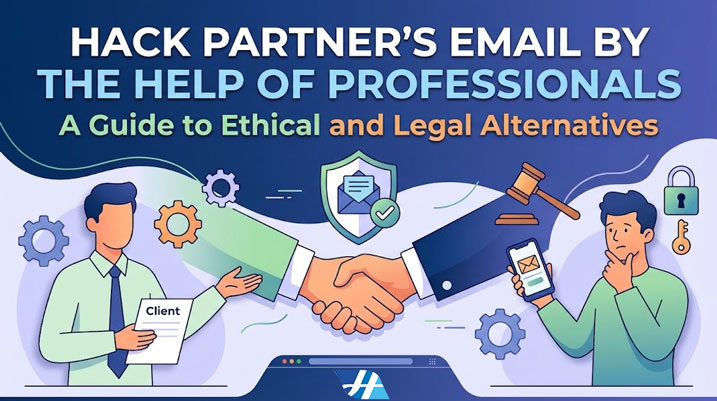
How to Choose an Ethical Cybersecurity Professional
Not every person advertising cybersecurity services online is trustworthy. Before hiring anyone, consider several factors. Ask about authorization. A reputable professional should be comfortable explaining that security testing requires appropriate permission.
Check qualifications and experience. Look for verifiable professional experience rather than anonymous claims about being able to “hack anything.” Ask for a written scope of work. The agreement should clearly identify what systems, accounts, devices, and information the professional is authorized to examine.
Avoid guaranteed results. Cybersecurity investigations cannot always guarantee that a particular fact will be discovered. Protect your own credentials. Never give unnecessary passwords or authentication codes to strangers.
Be cautious about cryptocurrency-only payments and anonymous communications. These characteristics do not automatically prove fraud, but they can make accountability more difficult.
Protecting Your Own Email Account
If your concern is that someone may be attempting to access or hack your partner’s email, defensive security is much more productive than trying to access someone else’s account. Start by changing your password to a strong, unique password. Enable multifactor authentication where available. Review active sessions and connected applications. Check recovery email addresses and phone numbers for unauthorized changes.
You should also update your operating system and browser and avoid entering passwords into suspicious websites. A password manager can help create and store unique passwords for different accounts, reducing the damage caused if one password is exposed.
Ethical Hacking Versus Unauthorized Hacking
The phrase “ethical hacking” is sometimes misunderstood. Ethical hacking is not simply hacking with good intentions. It generally involves authorized security testing performed within an agreed scope.
For example, a company might authorize a penetration tester to look for weaknesses in its web application. The tester receives permission to conduct specific tests and reports the results to the organization. Without appropriate authorization, the same technical activity can become unauthorized access. The distinction is therefore not merely technical. Permission, scope, purpose, and applicable law matter.
Why Professional Help Can Still be Valuable
Avoiding unauthorized access does not mean avoiding professional assistance. In fact, professionals can be especially useful when the situation involves complicated digital evidence or potential security incidents.
A cybersecurity consultant can help secure your accounts. A digital forensic specialist can analyze authorized evidence. An account-recovery expert can guide you through legitimate recovery procedures. A lawyer can explain legal options when privacy or relationship disputes become serious. The important principle is to choose the professional according to the actual problem rather than searching for someone who promises unauthorized access.
Frequently Asked Questions
Q: Can I hire a hacker to hack partner’s email?
A: Hiring someone does not automatically make unauthorized access legal. If you do not own the account or have appropriate authorization, attempting to bypass its security can create serious privacy and legal concerns.
Q: Can cybersecurity professionals investigate suspicious email activity?
A: Yes. Professionals can investigate your own accounts, devices, and systems when they have appropriate authorization. The precise scope depends on the situation.
Q: What should I do if I think my own email has been hacked?
A: Secure the account through the provider’s official procedures, change compromised passwords, enable multifactor authentication, review account activity, and consider professional incident-response assistance if the situation is serious.
Q: Can digital forensics help with a relationship dispute?
A: Potentially, but evidence should be collected and handled lawfully. If a dispute may involve legal proceedings, consult a qualified lawyer before attempting to obtain private digital information.
SEO Keywords and Search Intent Behind Email-Hacking Queries
From an SEO perspective, searches involving “hack partner’s email“, “professional email hacker” and similar terms represent several different types of intent. Some searchers want unauthorized access. Others want to investigate suspected account compromise. Some are looking for digital forensic services, while others simply want to recover an account.
A responsible cybersecurity article should distinguish these intentions rather than treating all searchers as potential hackers. Useful related search terms include:
- professional email security services
- ethical cybersecurity consultant
- email account recovery professional
- digital forensic investigation
- authorized email security audit
- email account compromise investigation
- cybersecurity incident response
- legal digital evidence collection
- how to hack partner’s email account
- professional cybersecurity investigation
These keywords allow educational content to reach people searching for help while directing them toward legitimate services.
Final Thoughts
The search for “how can you hack partner’s email by the help of professionals” often reflects a deeper concern: uncertainty about a relationship, fear of account compromise, or the need to establish facts. Secretly breaking into an email account is not a safe solution. A better approach is to identify the underlying problem and select an appropriate lawful service.
Cybersecurity professionals can protect accounts and investigate authorized systems. Digital forensic specialists can examine legitimate evidence. Account-recovery experts can help restore access to accounts you are entitled to use. Lawyers can explain legal options when a dispute involves privacy, property, finances, or potential litigation. Ultimately, professional cybersecurity should be based on authorization, transparency, and evidence—not secret access. Choosing an ethical and legal route protects both your information and your interests while still giving you practical ways to address legitimate concerns.